Secrets to Preserving the Health of Mature Trees in Your Yard Jan 22, 2026
One of the foundational steps in maintaining the health of mature trees involves regular inspections. These inspections allow you to catch early signs of disease, pest infestations, or structural damage. It is crucial to examine the bark, leaves, branches, and even the roots when they are exposed. Look for symptoms such as discolored leaves, cracks in the bark, or holes that could indicate the presence of invasive species. If you're unsure, consulting with specialists from Trees Unlimited of the CSRA can provide peace of mind and expert evaluation.
Water management is another critical factor in the care of mature trees. Even well-established roots require consistent hydration, particularly during dry spells. However, overwatering can lead to root rot and other problems. Implementing a balanced irrigation system that adapts to seasonal changes will help in sustaining tree health. Mulching around the base of the tree can also conserve moisture and regulate soil temperature, promoting a more stable environment for root growth.
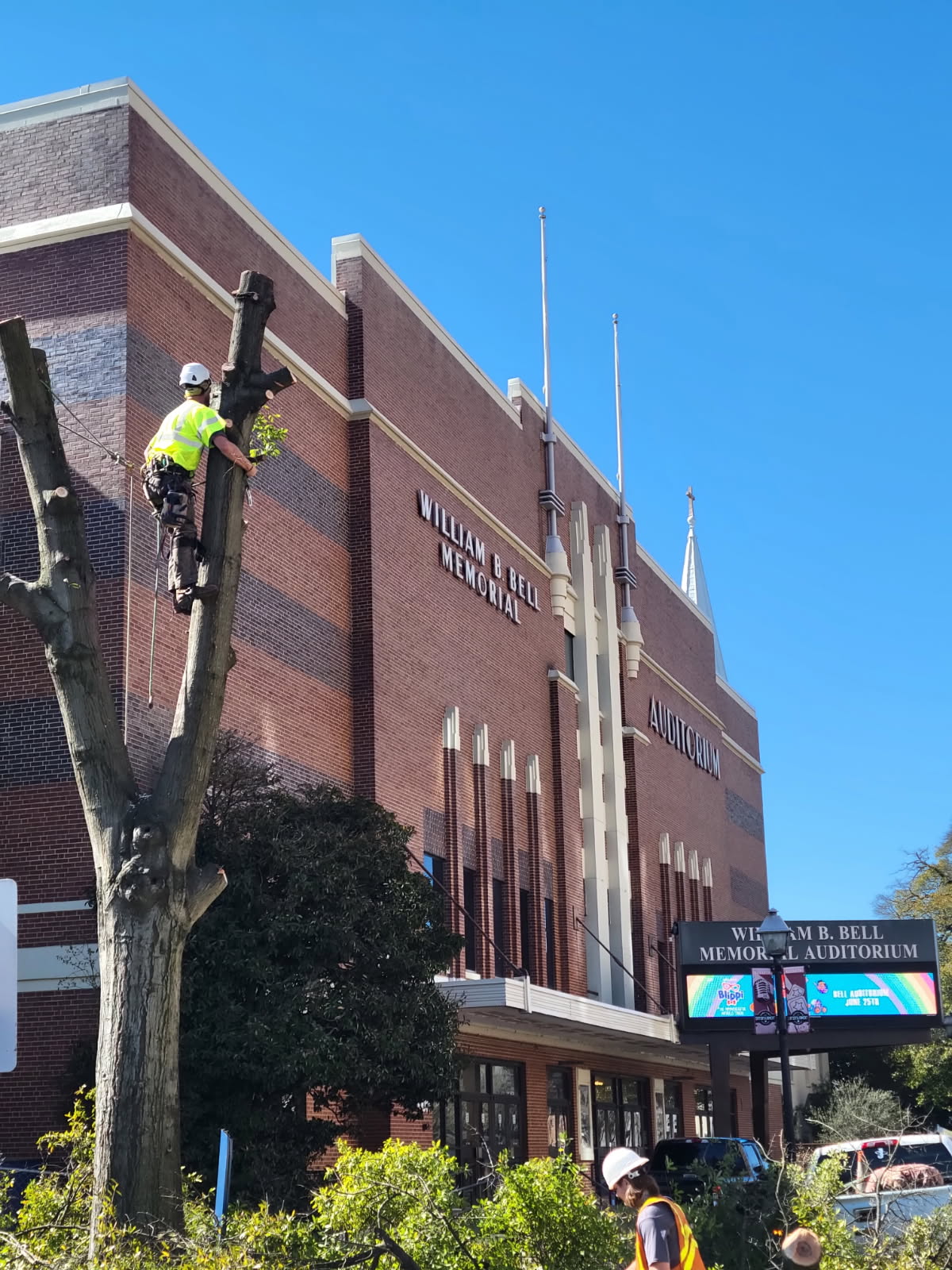
Pruning is more than an aesthetic choice; it is vital for tree health. Proper pruning removes dead or diseased branches, improving air circulation and reducing the risk of decay. It's essential to prune at the right time of year, typically late fall or early winter when the tree is dormant, to minimize stress and promote regrowth. For safety and precision, consider hiring professionals who understand the intricacies of tree structure and growth patterns.
Fertilization can be beneficial, but it is important not to over-fertilize, as this can lead to lush foliage with weak branches. Conduct a soil test to determine what nutrients your tree lacks. Based on the results, apply a slow-release fertilizer appropriate for your tree's species and age. Mature trees generally require less frequent fertilization than younger trees, so ensure any intervention is carefully calibrated.
Pest and disease management is crucial in protecting mature trees. Regular monitoring for signs of infestation, such as unusual leaf drop or boreholes, is important. Utilize Integrated Pest Management (IPM) strategies, which combine biological, cultural, and chemical controls to manage pests safely and effectively. Partnering with a professional service like Trees Unlimited of the CSRA can provide access to advanced treatments and resources.
Lastly, consider the surrounding environment when caring for mature trees. Construction activities near trees can damage roots, while changes in landscaping may alter water flow or lead to increased competition for resources. Maintain a buffer zone around the tree to protect it from mechanical injuries and root compaction.
In summary, maintaining the health of mature trees requires a balanced approach focusing on regular inspections, proper water management, strategic pruning, appropriate fertilization, and effective pest control. By adhering to these practices, you can enjoy the benefits of your mature trees for decades to come. For specialized care and guidance, Trees Unlimited of the CSRA stands ready to assist you in nurturing these majestic natural treasures.
/filters:no_upscale()/filters:format(webp)/media/fd6f4523-da84-4e13-b1bd-d66491d5971e.jpeg)
/filters:no_upscale()/filters:format(webp)/media/4d458465-d809-412c-952c-665bdcfbb449.jpeg)